

Create Pinch Pleats
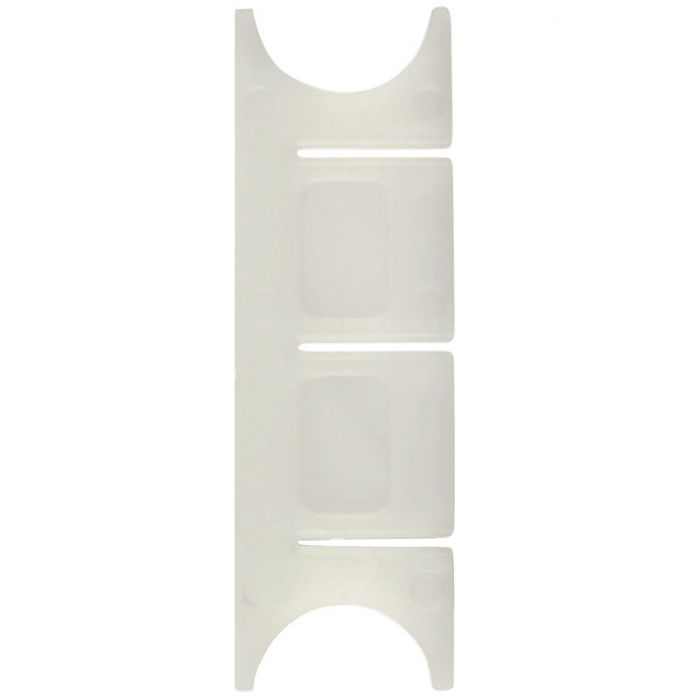
Curtain Tape Cord Tidies
£8.99
In stock
Description
Curtain Tape Cord Tidies
Curtain tape cord tidies are devices designed to manage and organize the cords or tapes used in curtains. These tidies serve both functional and aesthetic purposes, offering several benefits.
Cord tidies enable a neat and tidy appearance for your window treatments. By keeping cords organized and bundled, they prevent a messy and tangled look, enhancing the overall aesthetics of the window area.
One of the primary benefits is safety. Loose cords can pose a hazard, especially in households with children or pets. Cord tidies help secure and manage the cords, reducing the risk of accidents like tripping or entanglement.
Once the curtain is drawn up, keep curtain tape drawcords neat with a Cord Tidy.
Sold in packs of 10
Browse our workroom accessories https://mj-interiors.co.uk/product-category/workroom-products/miscellaneous-workroom-products/
Regular use and manipulation of cords can lead to fraying or damage. Cord tidies help prevent this by keeping cords contained and protected from excessive wear.
When using tidies, it’s essential to follow any manufacturer’s instructions and ensure proper installation. Regularly inspecting and maintaining the cord tidies will help guarantee their effectiveness in providing a safe and organized environment for your window treatments.
Regular use and manipulation of cords can lead to fraying or damage. Cord tidies help prevent this by keeping cords contained and protected from excessive wear.
Only logged in customers who have purchased this product may leave a review.
Related products
-
 Price range: £5.50 through £14.50
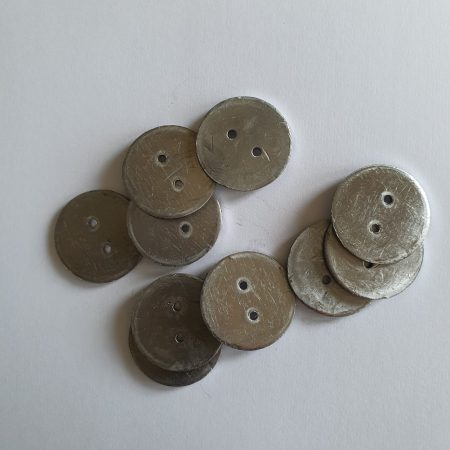
ideal for weighting hems of curtains
Select options This product has multiple variants. The options may be chosen on the product page -
 Price range: £3.99 through £11.00
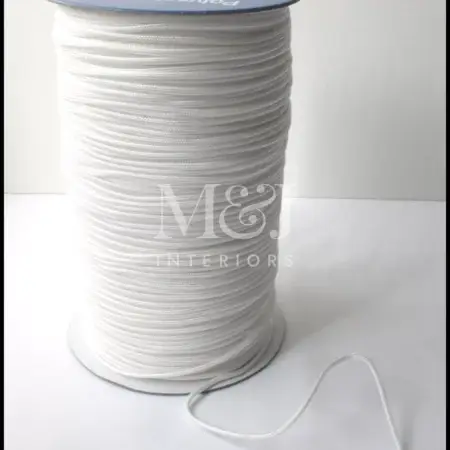
ideal for roman blinds
Select options This product has multiple variants. The options may be chosen on the product page -
-
 Price range: £4.85 through £12.99
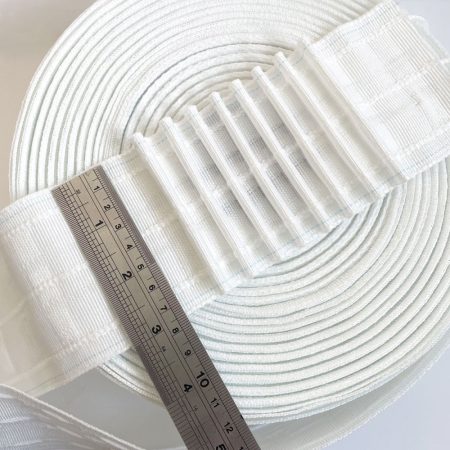
Swish Curtain Hooks Swish curtain hooks for using with header tape on curtain tracks with gliders and curtain poles You need curtain hooks to hang your curtains on tracks. Swish is a well-known brand that produces a variety of drapery tracks, poles, and accessories. Curtain hooks are specifically designed to […]
Select options This product has multiple variants. The options may be chosen on the product page
Reviews
There are no reviews yet.